










Shopping for contact lenses can get confusing fast when you start seeing terms like conventional, yearly, reusable, monthly, and disposable. They all describe how a lens is worn and replaced, but they are not interchangeable.
Conventional contact lenses generally refer to longer-wear reusable lenses that are designed to last much longer than daily, bi-weekly, or monthly disposables. Some are replaced every several months, while certain specialty rigid lenses may last even longer with proper care.
In this guide, we’ll explain how conventional and reusable lenses work, how they compare with disposable contacts, and who may benefit from them.
What Are Conventional Contact Lenses?
Conventional contact lenses are reusable lenses designed to last much longer than daily, bi-weekly, or monthly disposables. They are often used when someone needs a more customized fit or prescription that is not readily available in standard disposable lens lines.
Definition & Core Features
A conventional contact lens is typically made for longer-term use and may be worn for 6 months, 1 year, or sometimes longer, depending on the lens type and the replacement schedule recommended by your eye care professional.
Common features include:
-
Longer replacement periods than disposable lenses
-
More customization for unusual prescriptions or eye shapes
-
Thicker, more durable construction
-
Regular cleaning and disinfection after wear
-
Greater care requirements because the same lenses are used for months rather than days or weeks
Some conventional lenses are supplied in vials rather than standard blister packs, but the main difference is their longer lifespan and customized design.
Soft Conventional Lenses vs. Rigid Gas Permeable (RGP) Lenses
Conventional reusable lenses generally fall into two broad groups:
|
Lens Type |
What It Is |
Main Advantage |
|
Soft Conventional Lenses |
Usually made from hydrogel materials and designed for extended reuse |
Comfortable feel with more custom prescription options |
|
Rigid Gas Permeable (RGP) Lenses |
Firm, durable lenses made from oxygen-permeable materials |
Sharp vision, durability, and suitability for more complex fits |
Because conventional lenses are generally built for longer use, they tend to be more durable than thin disposable lenses. That durability is useful, but it also means proper cleaning and storage become much more important.
Also read: Can You Order Contacts With an Expired Prescription in Canada?
Conventional Contacts vs. Disposable Contacts: Key Differences
The biggest difference is how long each pair is meant to stay in your rotation. Conventional lenses may be used for many months, while modern disposable lenses are replaced much more frequently.
Head-to-Head Comparison
|
Lens Type |
Typical Lifespan |
Daily Cleaning |
Deposit Risk |
Customization |
Cost Pattern |
|
Conventional |
6–12 months or longer |
Yes |
Higher over time |
High |
Higher initial cost, fewer replacements |
|
Monthly |
1 month |
Yes |
Moderate |
Moderate |
Lower ongoing lens cost |
|
Bi-Weekly |
2 weeks |
Yes |
Lower than long-term lenses |
Moderate |
Mid-range |
|
Daily Disposable |
1 day |
No |
Lowest |
More limited |
Usually highest annual lens cost |
Replacement Schedule & Convenience
Contact lens wear has gradually moved toward shorter replacement schedules because they are easier to manage.
With monthly, bi-weekly, and especially daily lenses:
-
You start with a fresh pair more often.
-
There is less time for deposits to build up.
-
Damaged or uncomfortable lenses are replaced sooner.
-
Daily disposables remove the need for cleaning and storage altogether.
Conventional lenses still have a place, particularly when someone needs a prescription or fit that standard disposable ranges cannot easily provide.
Eye Health, Hygiene, and Deposit Build-Up
Tears naturally contain proteins, lipids, and other substances that can collect on a contact lens while you wear it. The longer the same lens is reused, the more important consistent cleaning becomes.
Deposit buildup can contribute to:
-
Cloudy or less comfortable vision
-
Dryness or irritation
-
Reduced lens comfort
-
Increased contamination if cleaning and storage are poor
Frequent-replacement lenses reduce the amount of time those deposits have to accumulate, while conventional lenses require a more consistent long-term care routine.
Also read: Do You Need a Current Prescription to Order Contacts Online in Canada?

Types of Reusable Lenses Available Today
Reusable contact lenses are not all the same. Some are made for long-term custom use, while others follow a much shorter replacement schedule.
1. Conventional (Yearly) Soft Lenses
These are custom soft lenses that may be used for several months before replacement.
They are often considered when someone needs:
-
A prescription outside standard disposable ranges
-
A more customized lens fit
-
Specialty parameters that are harder to find in mass-produced lenses
2. Rigid Gas Permeable (RGP) & Scleral Lenses
RGP and scleral lenses are specialty reusable options that are often used for more complex vision or corneal needs.
They may be prescribed for:
-
Keratoconus
-
Significant astigmatism
-
Irregular corneal shapes
-
Certain post-surgical eyes
-
Cases where standard soft lenses do not provide suitable vision or fit
Scleral lenses are larger than standard contacts and rest on the white part of the eye, creating a fluid-filled space over the cornea.
3. Frequent Replacement Reusable Lenses
Monthly and bi-weekly contacts are the most common reusable lenses for everyday wear today.
Modern options are usually made from hydrogel or silicone hydrogel and are replaced on a regular schedule rather than being kept for many months.
Popular examples include:
-
Biofinity – monthly
-
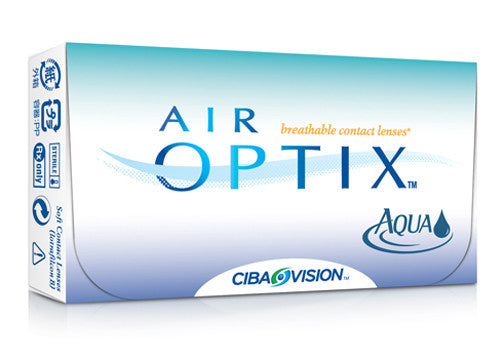
Air Optix – monthly
-
Acuvue Oasys – bi-weekly
These lenses offer the convenience of reuse without requiring the much longer care cycle associated with traditional conventional lenses.
Who Should Consider Conventional or Specialty Reusable Lenses?
Conventional and specialty reusable lenses are usually considered when standard daily, bi-weekly, or monthly contacts cannot provide the right prescription, fit, or visual correction.
They may be worth discussing with an eye care professional if you have:
-
A very high prescription: People with high myopia, hyperopia, or significant astigmatism may need parameters that are not available in standard disposable ranges.
-
An irregular corneal shape: Conditions such as keratoconus or corneal ectasia, as well as changes following certain eye surgeries, can require a more customized lens design.
-
Complex fitting needs: Some eyes simply do not fit standard soft contacts comfortably or consistently, making custom soft, RGP, or scleral lenses a better option.
-
Specialty cosmetic or prosthetic needs: Custom-tinted lenses can be made for people who need colours, patterns, or prosthetic designs that are not available in regular cosmetic contact lenses.
These lenses are generally chosen because of a specific vision or fitting need, rather than simply because someone wants a longer replacement schedule.
Also read: Contact vs Glasses Prescriptions: Why the Numbers Don’t Match (and What You Actually Need to Order)

Essential Care Rules for Conventional and Reusable Lenses
Because reusable lenses are worn repeatedly, good cleaning habits matter just as much as following the correct replacement schedule.
-
Disinfect them after every wear: Use the multipurpose or hydrogen peroxide system recommended for your lenses. Never substitute tap water or homemade solutions.
-
Remove protein and other deposits: Longer-wear lenses can collect tear-film deposits over time. Some lens types or care systems may require additional protein-removal treatment, so follow the instructions given for your specific lenses.
-
Take care of the lens case too: Empty old solution, clean the case as directed, let it air-dry, and replace it regularly. Do not simply top off yesterday's solution.
-
Pay attention to changes in the lens: Replace a lens sooner if you notice a tear, chip, cloudiness, warping, or discomfort that does not go away after proper cleaning.
-
Stick to the prescribed schedule: A lens should not be kept longer simply because it still looks fine.
Summary & Final Verdict: Is Conventional Right for You?
For most everyday contact lens wearers, daily, bi-weekly, or monthly lenses offer a simpler replacement routine and less time for deposits to accumulate. Conventional lenses make more sense when a standard disposable lens cannot provide the prescription, fit, or customization you need.
In short:
-
Choose daily disposables if convenience and minimal maintenance matter most.
-
Consider monthly or bi-weekly lenses if you prefer reusable contacts with regular replacement.
-
Consider conventional, RGP, or scleral lenses when you have more specialized vision or fitting requirements.
If you already know which lens type works for you, you can also compare reusable and disposable options through CanadianContactLenses.com and order based on your current prescription.
FAQs
Q1: What are conventional contact lenses?
A: Conventional contact lenses (also known as traditional or yearly lenses) are contact lenses designed to be worn daily and replaced every 6 to 12 months (or longer for certain hard gas-permeable lenses). Unlike modern disposable lenses that come in soft blister packs, conventional lenses are often custom-made and packaged in glass vials for durability and longevity.
Q2: What is the main difference between conventional contacts vs disposable contacts?
A: The primary difference is their replacement frequency and material structure. Conventional contacts are thicker, highly durable, and made to last up to a year with daily cleaning and protein removal. Disposable contacts (daily, bi-weekly, or monthly) are made of thinner, highly breathable materials meant to be replaced frequently to minimize deposit accumulation and reduce infection risks.
Q3: Are conventional contact lenses still used today?
A: Yes, but they are less common than they used to be. Most contact lens wearers today use soft daily, bi-weekly, or monthly disposables. However, conventional soft or rigid gas permeable (RGP) lenses are still widely used for patients with high or complex prescriptions, extreme astigmatism, keratoconus, or custom fitting requirements.
Q4: How do you clean conventional or yearly contact lenses?
A: Conventional contacts require a rigorous daily cleaning routine. They must be rubbed and rinsed with contact lens solution every night, stored in fresh disinfectant liquid, and routinely treated with enzymatic cleaner tablets to break down protein deposits that accumulate over months of wear.
Q5: Are reusable contacts safe to wear?
A: Reusable contact lenses—whether monthly disposables or conventional yearly lenses—are completely safe provided you strictly adhere to hygiene guidelines. This includes washing hands thoroughly before handling, never exposing lenses to tap water, cleaning the storage case daily, and replacing lenses according to your eye care professional’s schedule.