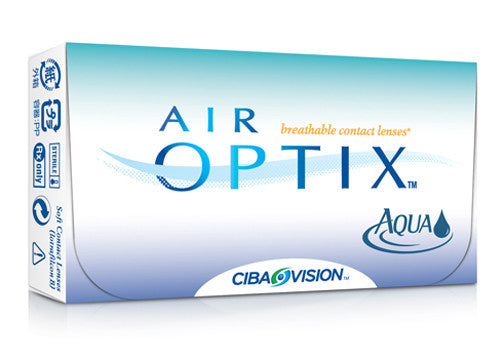











A Flexible Spending Account (FSA) is an employer-sponsored benefit that allows individuals to allocate pre-tax income toward eligible healthcare expenses. Because contributions reduce taxable income, FSAs offer meaningful savings, especially for people who wear contact lenses regularly. However, FSAs typically follow a “use-it-or-lose-it” policy, meaning unused funds often expire at the end of the year. For many employees, this makes late November and December the most important period for evaluating remaining balances and planning purchases.
With an annual contribution limit of USD 3,300 in 2025, FSAs provide significant savings opportunities. But those savings only matter if funds are spent before the deadline. This is where FSA & Contact Lenses become an essential pairing: contact lenses, supplies, fittings, and exams are all eligible purchases, making them one of the easiest and smartest ways to use remaining FSA funds before forfeiture.
Why Year-End FSA Planning Matters for Contact Lens Wearers
Most FSA users do not track their available balance throughout the year. It’s common to arrive in December and realize that a substantial amount remains unspent. Because FSAs generally do not allow unused funds to roll over indefinitely, planning ahead becomes essential.
Some employers offer small allowances such as:
- A grace period of up to 2½ months
- A limited rollover (up to USD 660 in 2025)
However, these provisions are optional and vary widely between employers. For many people, December 31 is the hard deadline and any funds not used by that date disappear.
For contact lens wearers, using remaining FSA funds strategically is not only smart financially but also ensures you are stocked with the lenses and supplies you need for the coming year. Whether you wear daily disposables, monthly lenses, toric designs, or multifocals, the end of the year is often the ideal moment to renew prescriptions, purchase new lenses, and replace worn-out accessories.
Because FSA & Contact Lenses pair so well, using your remaining funds before the deadline ensures you maximize benefits without risking forfeiture.

Which Contact Lens Expenses Are FSA-Eligible?
One of the major advantages of FSAs is the wide range of eligible vision-related expenses. Contact lens wearers can use FSA funds on:
Prescription Contact Lenses
All prescription lenses qualify, including specialty options such as multifocal contacts and toric lenses.
Looking to upgrade your vision correction? Explore our full range of FDA-approved Multifocal Contacts at Fresh Lens.
Contact Lens Care Supplies
This includes:
- Lens cleaning solutions
- Rewetting drops
- Storage cases
- Protein remover tablets
- Saline for contact lens rinsing
Eye Exams & Contact Lens Fittings
Any appointment needed to maintain, update, or verify your prescription is FSA-eligible.
Prescription Glasses & Prescription Sunglasses
If you alternate between glasses and contacts, both options qualify for FSA spending.
Specialty Lenses
Medically required lens types—such as rigid gas permeable lenses or scleral lenses are also eligible.
However, FSAs do not cover:
- Cosmetic or non-prescription colored lenses
- Decorative lenses without corrective power
- Some shipping charges, depending on plan rules
That said, if you prefer style paired with vision correction, you can absolutely purchase colored prescription lenses with your FSA funds when they meet medical requirements.
Want expressive looks with prescription accuracy? Browse our safe, medical-grade Colored Contact Lenses.
How to Use Your FSA Card for Contact Purchases
Online retailers make it extremely easy to use FSA funds, and many offer seamless payment options at checkout. Using the following steps ensures your FSA & Contact Lenses purchases are processed without issues.
1. Verify Your Prescription
Contact lens prescriptions usually expire after one year. Ensuring that your prescription is valid prevents delays or rejected claims.
2. Choose an In-Network Provider When Possible
Some insurance plans provide higher allowances for in-network purchases. While FSAs aren’t tied to networks, combining FSA funds with insurance benefits can maximize savings.
3. Enter Your FSA Debit Card at Checkout
Your FSA card is used just like a regular debit or credit card. Many retailers even allow you to split payments—for example, using part FSA and part personal funds.
4. Keep Digital Receipts
Documentation may be required for reimbursement or auditing, especially for higher-value purchases.
5. Avoid Last-Minute Ordering
Shipping delays during the holidays are common. Order early to ensure transactions occur before fund expiration.
Smart Strategies to Maximize This Year’s FSA Funds on Contacts
Below is a strategy table summarizing the most effective ways to use remaining FSA funds wisely:
|
Strategy |
Explanation |
|
Assess your balance early |
Knowing your available funds avoids rushed or unnecessary purchases. |
|
Order a supply of lenses |
Stocking six months or a full year of lenses ensures you use remaining funds effectively. |
|
Update your prescription |
An updated exam prevents ordering incorrect prescriptions. |
|
Consider specialty lenses |
Now is the perfect time to try toric or multifocal lenses with reduced out-of-pocket cost. |
|
Use leftover funds on accessories |
Solutions, cases, and backup glasses are all excellent, eligible purchases. |
Ready to restock? Shop our high-clarity Clear Contact Lenses to ensure you’re fully prepared for the new year.
Common Pitfalls & Mistakes to Avoid Before the FSA Deadline
Assuming Your Plan Has a Grace Period
Not all plans offer extensions or rollovers. Always verify the rules to avoid losing funds.
Forgetting About Shipping Times
Holiday season demand can slow down deliveries. Plan ahead.
Using an Expired Prescription
Purchasing lenses without a valid prescription may invalidate insurance coverage or be denied by the FSA administrator.
Overbuying Beyond Expiry Dates
All contact lenses have expiration dates. Purchase only as much as you can use safely.
Conclusion
FSAs offer one of the simplest ways to save money on essential vision care, but only if the funds are used before they expire. For contact lens wearers, the end of the year is the perfect time to restock lenses, update prescriptions, and invest in specialty options that improve comfort and clarity.
By understanding eligibility rules, planning ahead, and making strategic purchases, you can prevent forfeiture and enjoy the full financial benefit your FSA provides. Don’t wait until the final week of December and take action now to prioritize your vision and protect your savings.
Stock up before December 31! Explore Fresh Lens’ durable Yearly Contact Lenses and maximize your remaining FSA funds today.
FAQ’s
Can I use my FSA to buy contact lenses for someone else?
FSAs typically cover your spouse or dependents, but not friends or extended family.
Do I need a new prescription to use my FSA for contact lenses?
Yes. A valid, current prescription is legally required for contact lens purchases in the U.S.
Are specialty lenses like toric or multifocal covered by FSA?
Yes. Any medically necessary corrective lens type qualifies. Explore our premium Toric Contact Lenses if you have astigmatism.
Can I stock up on a full-year supply of contacts using my FSA?
Yes, bulk ordering is one of the most efficient ways to use remaining funds.
Is shipping cost FSA-eligible?
Some plans include shipping; others don’t. Check your specific coverage.
Do colored prescription contact lenses qualify?
Prescription colored lenses are eligible; purely cosmetic, non-corrective lenses are not.
Is an FSA or an HSA better for buying contact lenses at year-end?
HSAs roll over annually, while FSAs must be used before the deadline. Use your FSA funds first to avoid forfeiture.